

Zoologist
- STEM CLUB
- Dec 20, 2020
- 2 min read

Zoologists or wildlife biologists study animals and wildlife and observe how they interact with their ecosystems. They study the physical and behavior features of animals and study the impacts that humans have on wildlife and their natural habitats and behaviors. Some of their specific duties include collecting biological data of specimens, writing research papers and reports, estimating wildlife populations and invasive plants and animals, and giving presentations on research findings to peers or the public. They even use geographic operating systems(GIS), modeling software, and computer programs to estimate quantitative data about wildlife populations.
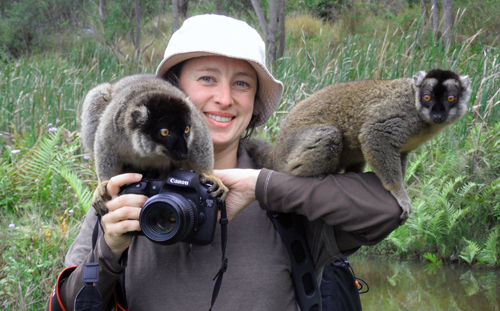
Specializations: Zoologists generally specialist in either vertebrates(including fish, amphibians, reptiles, mammals, birds) or invertebrates(animals that don't have a backbone) and then in specific species. Here are some examples of specializations.
Cetologists study marine mammals, such as whales and dolphins.
Entomologists study insects, such as beetles and butterflies.
Herpetologists study reptiles and amphibians, such as snakes and frogs.
Ichthyologists study wild fish, such as sharks and lungfish.
Malacologists study mollusks, such as snails and clams.
Mammalogists study mammals, such as monkeys and bears.
Ornithologists study birds, such as hawks and penguins.
Teuthologists study cephalopods, such as octopuses and cuttlefish.
Education Required:
- Minimum Degree: Bachelors
- However, if a zoologist wants to do higher scientific work they need a Master's degree and if they want to do their own independent research or work as a part of university research positions, they must get a Ph.D.
- Courses Taken: Students generally take courses in ecology, anatomy, wildlife management, botany, chemistry, statistics, and mathematics. In this profession, knowledge of computer programs and software's are important since zoologists use some of these software for their research and work.
Working Environment:
- Zoologists work full time in offices, laboratories, or outdoors. The location depends on the job and the interests of the individual since some zoologists spend most of their times in the fields, while others work in offices. Fieldwork requires zoologists to travel to remote locations such as deserts and mountains and get the opportunity to study nature firsthand. During fieldwork, zoologists might work long or irregular hours.
Skills Needed:
- Communication skills
- Research Skills
-Presentation Skills
- Active Listening Skills
- Computer Skills
- Observational Skills
- Problem-Solving Skills


Comments